

California Filing Deadline
2 yrs
California's general statute of limitations for personal-injury claims is two years from the date of injury. Miss it and the claim is usually barred.
Cal. Code Civ. Proc. § 335.1
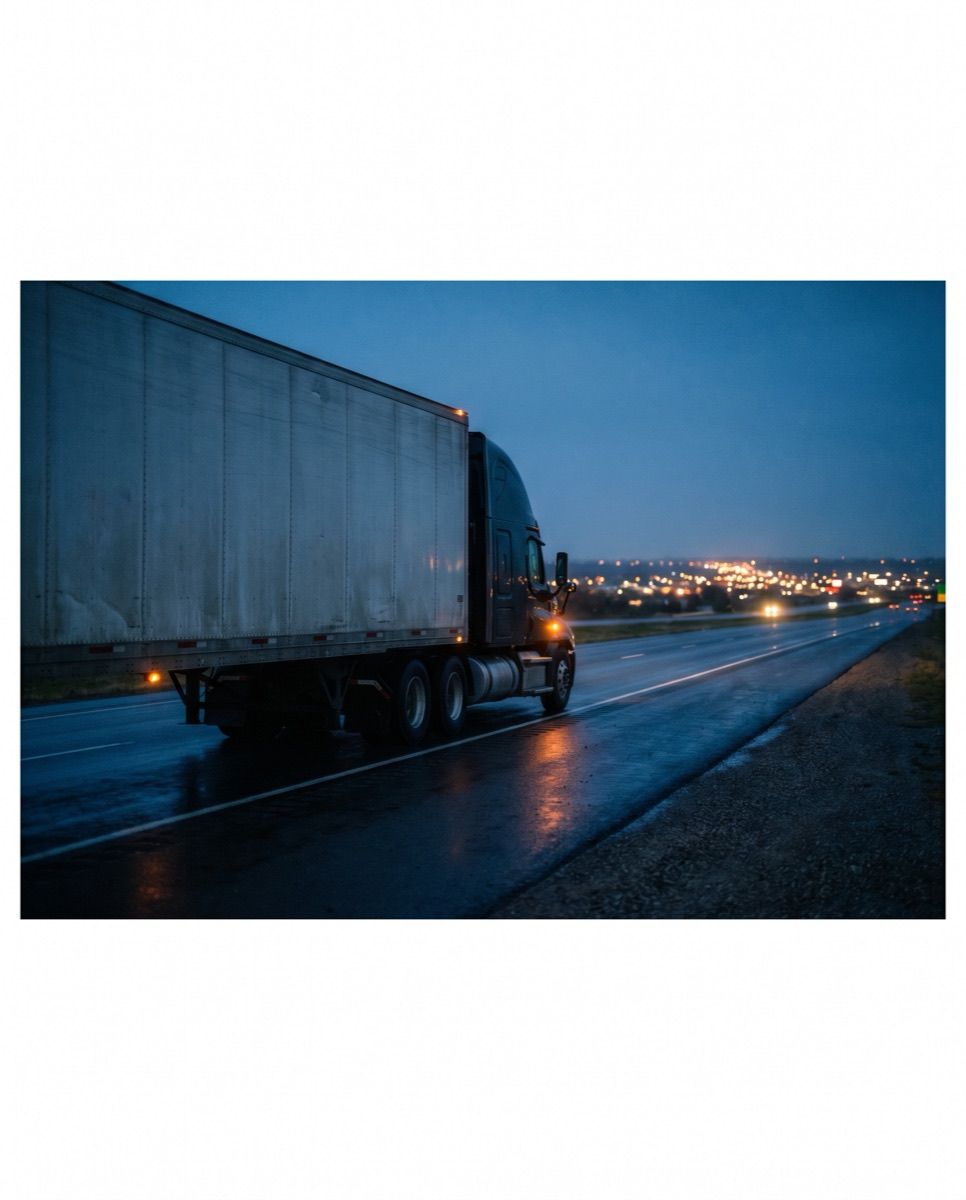
North County San Diego · Truck Accidents
Holding trucking companies accountable.
Commercial-truck cases require investigators on scene within hours. We move fast on log books, dash-cam preservation, and federal-motor-carrier compliance.
33% contingency · no fee and no case costs unless we win · Every new case is reviewed by an attorney personally
We start every new case with the same posture: assume the insurance company will try to close fast and pay light. Our job is to slow it down, build the file properly, and force the carrier to value the claim correctly.
Most truck accidents files have a small handful of issues that decide value: liability evidence, the strength of treatment documentation, lost-wage proof, and the available insurance limits. We handle each of those personally rather than passing them through paralegals.
Why timing matters
California's deadlines are strict, and evidence like video and witness memories fades fast.
Calling early lets us preserve evidence and file on time, so the insurer can't use the calendar against you.
California Filing Deadline
2 yrs
California's general statute of limitations for personal-injury claims is two years from the date of injury. Miss it and the claim is usually barred.
Cal. Code Civ. Proc. § 335.1
Government-Entity Deadline
6 mo
Claims against a city, county, Caltrans, NCTD, or any other public entity must be filed within six months, far shorter than the standard two years.
Cal. Gov. Code § 911.2
Property Damage
3 yrs
Claims for damage to your car or other property have a three-year deadline, but injury claims run on the shorter two-year clock.
Cal. Code Civ. Proc. § 338(c)
Truck Accidents · FAQ
Often both. Federal law makes the motor carrier liable for the driver's on-duty negligence. The company can also be directly liable for negligent hiring, training, supervision, or equipment maintenance.
Dash-cam video, electronic control module data, and driver logs. Federal rules require carriers to preserve logs for six months and ECM data for shorter periods. A spoliation letter sent within days of the crash is critical.
Yes — commercial-truck insurance policies start at $750,000 in interstate operations and routinely run to $5 million or more. The injuries also tend to be more severe given the mass difference between a truck and a passenger vehicle.
The Federal Motor Carrier Safety Administration sets the rules trucking companies must follow — driving hours, vehicle inspections, drug testing, driver qualification. Violations of FMCSA rules create powerful liability evidence in trucking cases.